
In the construction industry, there has to be people who make sure work is done safely, efficiently, and to industry standards and regulations. This is highly important when there is lifting involved using cranes. Which is why crane supervisors, otherwise known as lift supervisors, are imperative in the lifting industry.
So, for anyone wanting to progress into becoming a crane supervisor, read on. We’ll start with what a crane supervisor is.
What does a crane supervisor do?
Crane supervisors are responsible for organising and monitoring safe lifting operations of cranes, as per industry standards and regulations.
Let’s look at what that involves.
What are the roles of a crane supervisor?
Before diving into the path to qualification, let’s outline some of the responsibilities of a crane supervisor:
- Planning and overseeing lifting operations
- Conducting thorough risk assessments
- Liaising with AP and site management
- Briefing the lifting team on procedures and safety protocols
- Monitoring wind speeds
- Regular communication with site trades, site managers, and other construction personnel
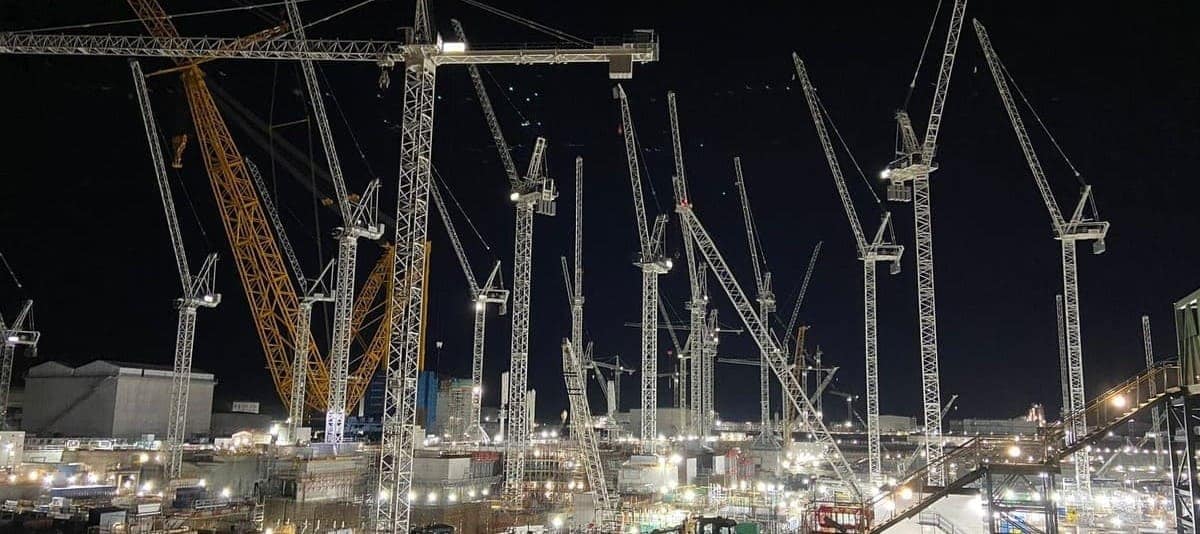
- Coordinating each crane.
- Ensuring compliance with UK regulations including LOLER 1998 (Lifting Operations and Lifting Equipment Regulations)
- Signing new personnel up to lift plans
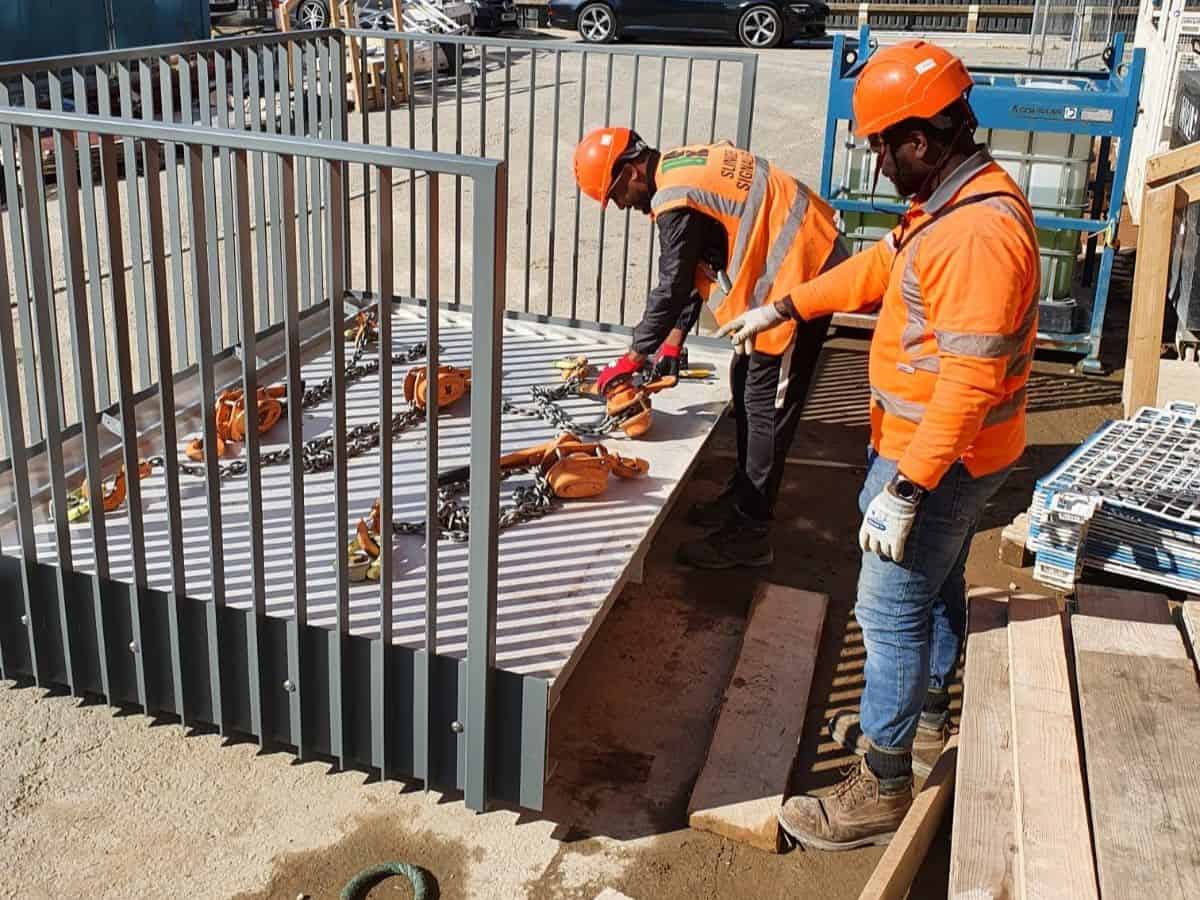
- Supervising banksmen, slingers, and crane operators
- Hiring and firing of slinger/signallers
- Checking date tags of lifting accessories and equipment
- Checking lifting accessories and equipment for faults
- Carrying out lifting operations (if they hold the valid qualifications)


How to become a crane supervisor
To become a crane supervisor, you gain industry experience, train to industry standards, then build some supervisor experience.
Step 1: Build relevant experience within the industry
Being a safety-critical role, potential crane supervisors should aim have at least 2-3 years of practical experience in construction. Particularly in these areas.
- Slinger/Signaller: This is the most important. Experience as a slinger (also called a banksman) helps you understand the fundamentals of crane operations from the ground. It gives the foundations of the crane supervisor role.
- Crane Operator: First-hand experience operating cranes provides invaluable insight into lifting capabilities and limitations.
- General Construction: Background knowledge in construction practices helps contextualise lifting operations within broader project requirements.
These routes can get you familiar with daily briefings, risk assessments and method statements (RAMS).
Step 2: Training and qualifications
There are two main bodies in the UK that provide crane supervisor qualifications.
- CPCS (Construction Plant Competency Scheme) – (A62)
- NPORS (National Plant Operators Registration Scheme) – (N405)
The routes are very similar for both, but there are some subtle differences.
Initially, upon completing training, a candidate will receive a Trained Operator Red card, which is valid for two years. This can be extended an extra year under certain circumstances. The course usually takes up to five days, and is often cheaper via NPORS. The course covers lift planning (AP), regulations, and supervisory responsibilities.
Before the Red Card expires, an NVQ Level 3 in Controlling Lifting Operations (for Crane Supervisor) must be completed. This will give a Competent Operator Blue Card. Some people even opt to complete an NVQ Level 4 in Controlling Lifting Operations (for Appointed Person). This often gives more opportunities of employment.
The Blue Card lasts for 5 years. It indicates full competence in the workplace, so is more attractive to employers.
The differences between NPORS and CPCS are:
- NPORS registration is typically faster and can be processed within days
- NPORS cards are usually dispatched within 2 weeks of successful assessment
- NPORS generally requires refresher training for renewal
- NPORS requires less emphasis on logged hours compared to CPCS
- NPORS certification is usually more affordable than CPCS
- NPORS training can be done on site
- CPCS is more widely recognised (although that is changing)
- There’s a higher chance of being accepted on UK sites using CPCS (although that is evening out)
Click on the image below to choose your NVQ assessor. They will support you through your journey to Blue Card certification.

Step 3: Extra recommended qualifications
Positions within the lifting industry are competitive, so it’s advisable to give yourself the best possible chance of finding and keeping employment. This means going the extra mile and doing further training.
Here are some extra qualifications that are not mandatory for becoming a crane supervisor, but will enhance prospects:
- SSSTS (Site Supervisor Safety Training Scheme) – For site supervisors
- SMSTS (Site Management Safety Training Scheme) – For site managers
- First Aid at Work – A valid first aid qualification is often required
- LOLER (Lifting Operations and Lifting Equipment Regulations) Training
Click below for your discounted crane supervisor training

Step 4: Build a professional network
Getting yourself out there and known is beneficial, as well as forming connections and relationships with other people and companies within the industry.
- Connect with other professionals on social media. LinkedIn and industry forums are great for this
- Join professional organisations like the Construction Plant-hire Association (CPA)
- Attend industry events, such as Vertikal Days
Step 5: Create a credible CV
First impressions count, so making your CV as attractive and professional as possible will increase your chances of employment. There are lots of resources on the internet that can assist with this.
Some good points to include in your CV are:
- Prestigious projects you’ve worked on
- NVQ qualifications and any other extra training
- NPORS/CPCS certifications
- Safety record and any safety initiatives you’ve implemented
- Any awards for efficient work or safe working practice
- Specific experience with the different types of cranes you’ve worked with
What qualities does a crane supervisor need?
Crane supervising is safety critical, so you should only consider doing the role if you possess these qualities
- Strong leadership skills
- Strong communication skills
- Attention to detail
- Patience
- Calmness under press
- Good people skills
- Good problem-solving skills
- Strong listening skills
- Mathematical skills
Does a lift supervisor have to have a slinger qualification?
Although it is recommended to have had prior experience as a slinger, as well as maintaining that qualification while being a crane supervisor, it’s not essential, unless the crane supervisor is to carry out slinger duties. Then they will need the relevant qualification. Ie. CPCS A40 or NPORS N402
How much can a crane supervisor earn?
A crane supervisor’s earnings can depend on their experience, location, and type of contract.
- Entry level lift supervisors typically earn between £30k-£35k a year.
- Experienced crane supervisors can earn £40k-£50k+ annually.
- Supervisors in the London and Southeast region generally earn more than those located in the north.
- Offshore supervisors can earn £60k and upwards.
Conclusion
Being a lift supervisor brings a lot of responsibility, and at times, unwanted pressure, so it is a role that should take a lot of consideration before starting the journey. And a supervisor or potential supervisor should invest in themselves as much as possible.
This responsibility brings the potential for career growth in roles like:
- Crane Coordinator
- Appointed Person (AP)
- Site Manager or Project Manager
- Health and Safety Manager
- Specialist Consultant


Leave a Reply